Hurricane water damage cleanup checklist for Bradenton homeowners
A practical hurricane water damage cleanup checklist for Bradenton homeowners: safety first, document everything, extract water fast, and dry within 48 hours.
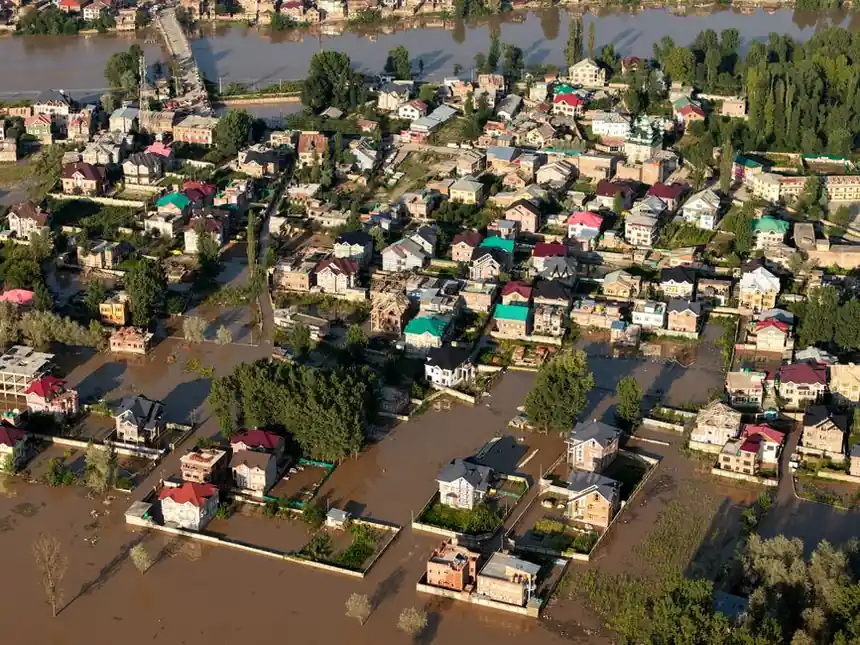
After a hurricane, the first 24 to 48 hours decide how much of your Bradenton home you keep. Hurricane water damage cleanup is the process of making the house safe, documenting the loss, removing standing water, and drying the structure before mold takes hold - and it starts the moment the storm passes, not when the adjuster calls.
This checklist walks you through what to do in order, what to photograph, which jobs you can handle yourself, and when to bring in a crew. We run these calls across Manatee County every storm season, and the homeowners who follow a sequence almost always come out ahead.
Start with safety and documentation
Safety and documentation come before any cleanup in a storm-damaged Bradenton home, because one wrong step near a wet panel or a sagging ceiling can turn a repairable loss into a serious injury. Walk the exterior first and look for downed lines, then check the meter and panel from a dry spot.
If you smell gas, hear arcing, or see water touching the electrical panel, leave and call your utility. Do not wade into a flooded garage to flip a breaker. Rubber boots and a flashlight are not a substitute for a licensed electrician.
Once it is safe, photograph everything before you move a single item. Shoot wide shots of each room, then close-ups of waterlines on drywall, buckled flooring, and damaged furniture. Insurance carriers in Florida want a room-by-room record, and a 30-second video walkthrough per room saves weeks of arguing later.
Pull together your policy number, your deductible, and your carrier's claims line before you call. Under Florida law, homeowners generally must report the loss promptly and mitigate further damage - meaning reasonable steps to stop the bleeding, not a full rebuild.
Stop the water and get it out fast
Stopping the source and extracting standing water is the highest-value hour of the entire cleanup, and in Bradenton that usually means shutting off the main and getting pumps running before the slab wicks moisture into the walls. Hurricane flooding often arrives with a failed supply line or a roof leak behind it, so check both.
Shut off the main water valve at the street or at the house, then kill power to any circuit feeding a wet area. If a pipe let go during the storm, our burst pipe water damage repair Bradenton FL team handles the line and the water in one visit.
For standing water, a wet/dry shop vac handles an inch or two. Anything deeper needs a submersible pump or a truck-mounted extractor. Move furniture and rugs out of the wet zone, and pull up soaked carpet padding - it will not dry in place and it holds water against the slab.
Water in a below-grade space needs its own approach. If your garage or lower level took on several inches, flooded basement cleanup Bradenton FL covers pumping, extraction, and drying so the space does not stay damp for weeks.
Expect extraction to take 2 to 6 hours for a typical 1,500-square-foot home with an inch of water. Deeper flooding or saturated carpet takes longer. The clock matters because mold can begin colonizing wet drywall and framing in 24 to 48 hours at Florida humidity levels.
Dry the structure within 48 hours
Drying the structure within 48 hours is the difference between a cleanup and a reconstruction, and in Bradenton's climate that window is unforgiving. Air movement alone will not dry a wall cavity - you need dehumidification and measured moisture readings.
Here is the sequence we use on storm jobs:
- Extract all standing water and remove saturated carpet, padding, and any soaked drywall below the waterline.
- Set air movers against walls and floors to keep humid air moving.
- Run commercial dehumidifiers to pull moisture out of the air - typically 1 unit per 1,000 to 1,200 square feet in humid conditions.
- Check moisture content in drywall and framing daily; a pin meter reading above 16% means keep drying.
- Do not run the HVAC system if floodwater reached the ducts - it will spread contamination through the house.
Keep windows closed while dehumidifiers run. Bradenton's outdoor relative humidity often sits above 80% after a storm, so opening up the house can make the job worse. Target indoor humidity of 40% to 50% before you call the drying done.
If your home is in a low-lying neighborhood, this step matters even more. We see repeat storm flooding in Bayshore Gardens water damage restoration because the drainage there backs up during heavy rain, and homes that dry fast avoid the tear-out.
Handle floodwater and sewage separately
Floodwater and sewage backups are not the same cleanup, and treating them the same is one of the most common mistakes we see after a Bradenton hurricane. Storm surge and rising water carry silt, lawn chemicals, and bacteria; a sewer backup carries raw waste and needs disinfection, not just drying.
If you see dark water backing up through floor drains or toilets, stop. Do not touch it with bare hands, and do not run the washing machine or dishwasher. That is a Category 3 loss, and porous materials like drywall, insulation, and carpet usually have to be removed rather than dried.
Our sewage backup cleanup Bradenton FL crew handles the extraction, disinfection, and disposal so the contamination does not spread to the rest of the house. If you have a septic system, have it pumped and inspected after flooding - saturated drain fields can back up for weeks.
For clean rainwater intrusion from a roof or window, you can often dry and keep the materials. For anything that came up through the ground or the drains, assume contamination and act accordingly.
Watch for mold in Bradenton's humidity
Mold growth is the second wave of hurricane water damage in Bradenton, and it shows up faster here than in drier parts of the country because the air stays warm and humid long after the storm passes. Visible mold can appear on wet drywall in as little as 48 to 72 hours.
Watch for a musty smell, dark speckling along baseboards, and warping at the bottom of drywall. If you catch it early - a patch smaller than about 10 square feet on a hard surface - you can clean it with a detergent solution and dry the area thoroughly.
Larger areas, mold inside wall cavities, or mold in HVAC ducts need professional removal. Our mold remediation Bradenton FL team contains the area, removes affected materials, and treats the framing so the growth does not return with the next humid week.
Do not paint or caulk over mold. It will come back, and you will have hidden the problem from your insurance adjuster.
What to watch out for
These are the mistakes that turn a manageable hurricane cleanup into a months-long rebuild in Bradenton:
- Waiting for the adjuster before you dry. Your policy requires mitigation. Start drying now and document it.
- Throwing away damaged items before photographing them. No photos, no reimbursement.
- Running the AC with wet ducts. It spreads mold and bacteria through every room.
- Assuming the slab is dry because the surface feels dry. Concrete holds moisture for weeks; check with a meter.
- Hiring the first truck that shows up. After every storm, out-of-state crews canvas Bradenton neighborhoods. Ask for a Florida license and a local address.
- Skipping the roof. A small shingle tear keeps leaking long after the floodwater is gone.
One more: do not sign a contract that assigns your insurance benefits to a contractor you have not vetted. You can lose control of the claim.
When to call a professional
Call a professional when water has been standing more than 24 hours, when it reached wall cavities or the HVAC system, when the water is contaminated, or when you see mold. Those are the situations where DIY drying usually fails and the repair bill doubles.
We handle hurricane damage restoration across Bradenton - extraction, structural drying, mold prevention, and rebuild - as one job with one point of contact. If you are not sure whether your situation needs a crew, call and describe what you see. We will tell you honestly whether you can handle it yourself.
Frequently Asked Questions
What should Bradenton homeowners do after hurricane water damage?
Make the home safe, shut off water and power to wet areas, photograph everything, and start extracting water within 24 hours. Then dry the structure with dehumidifiers and air movers, and report the claim to your insurer promptly. Mold can start in 48 hours in Florida humidity.
How do I clean up hurricane water damage in Bradenton FL?
Remove standing water with a pump or wet/dry vac, pull saturated carpet and padding, and run dehumidifiers with windows closed. Check framing moisture daily and target 40% to 50% indoor humidity. Anything beyond a small clean-water leak is usually faster and safer with a professional crew.
Does homeowners insurance cover hurricane water damage in Florida?
Wind-driven rain and storm-created openings are typically covered; rising floodwater is not - that requires a separate flood policy, usually through NFIP or a private carrier. Sewer backup often needs an endorsement. Report the loss promptly and document before you discard anything.
Who does hurricane water damage restoration in Bradenton?
We do. Our team handles emergency extraction, structural drying, mold remediation, and rebuild for Bradenton homeowners after hurricanes and tropical storms. Call +17253098505 and we will assess the damage and give you a clear plan.
Get help with water Damage Restoration Bradenton in Bradenton
If the storm left water in your home, the fastest way to protect it is to start drying today. Call us at +17253098505 and we will get a crew to your Bradenton property, document the damage for your claim, and dry it right the first time.